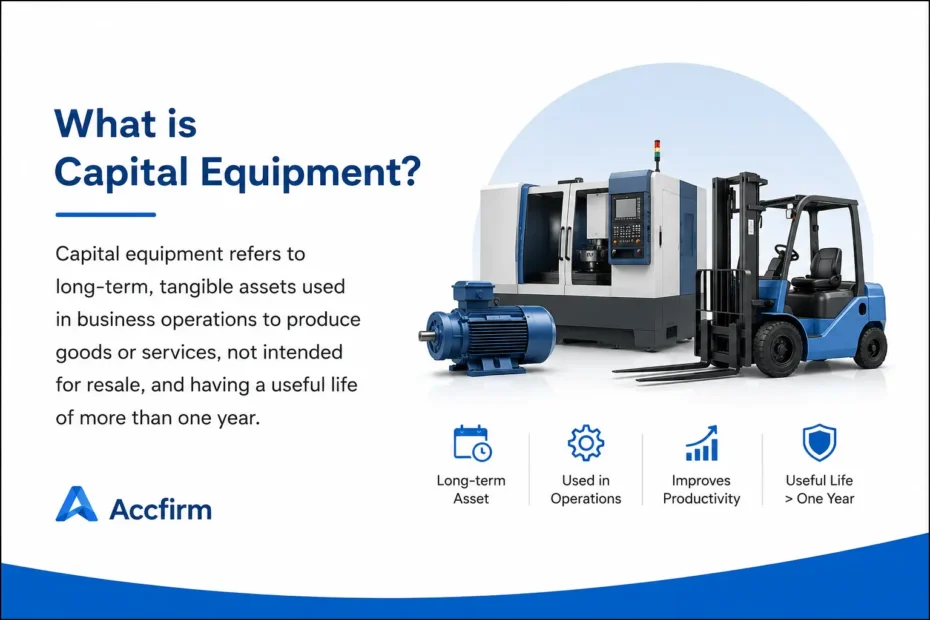
What is capital equipment?
What is capital equipment? A piece of nonexpendable, tangible (moveable) personal property with a useful life of more than a year and an acquisition cost (including freight and installation charges) of at least £ 5,000…
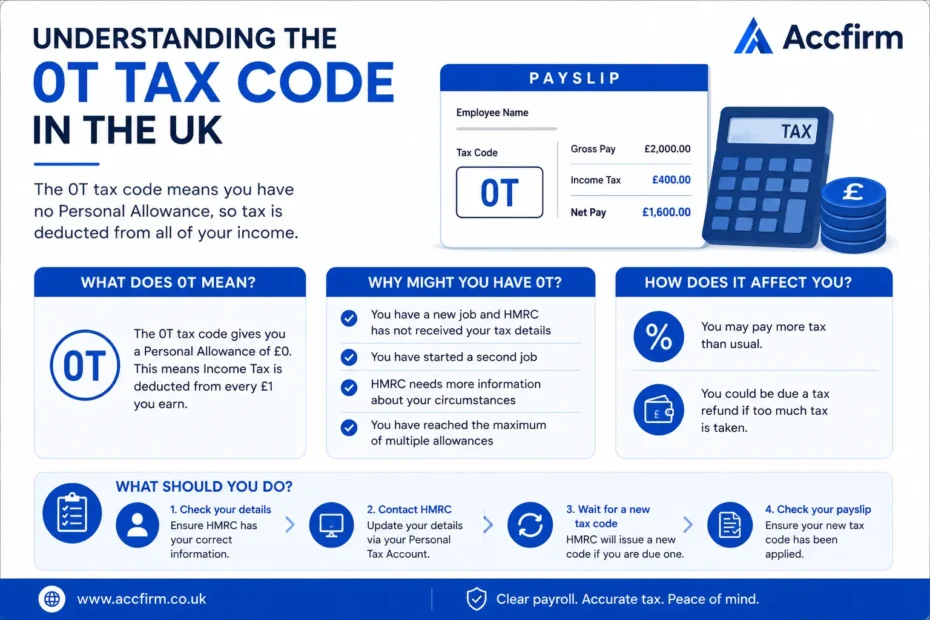
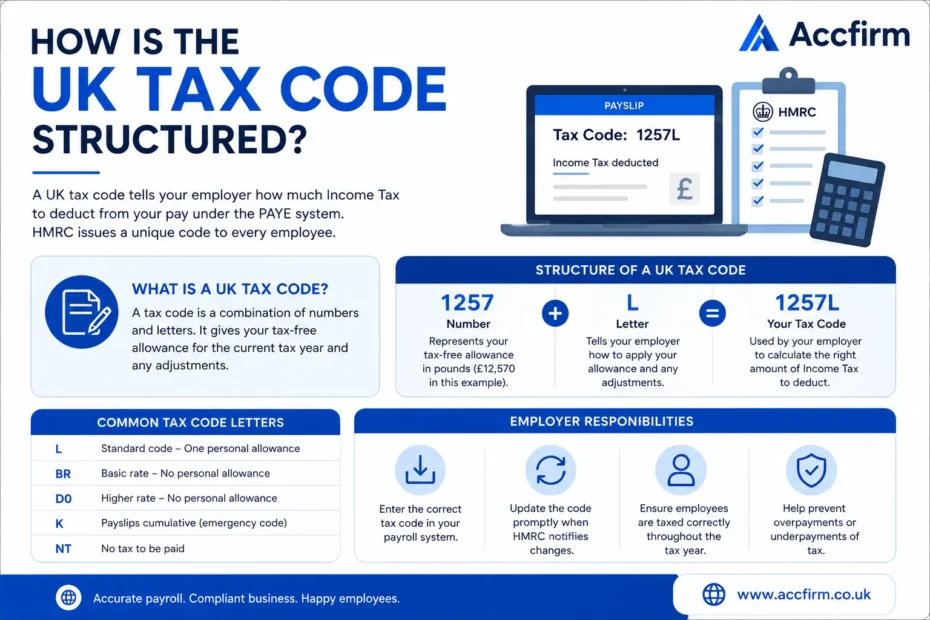
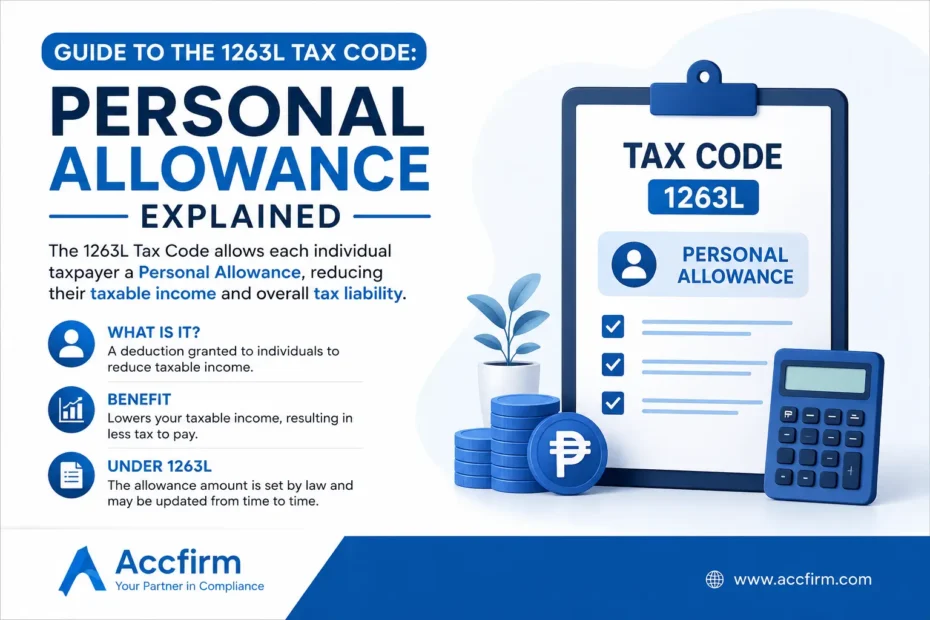
It is crucial to comprehend the tax code that has been assigned to you in order to manage your finances. This one initial could have a big impact. The 1263L tax code, one of the…
Building your own home in the UK is one of the most ambitious and rewarding personal projects you can undertake and thanks to HMRC’s DIY Housebuilder Scheme, it can also be significantly more tax-efficient than…
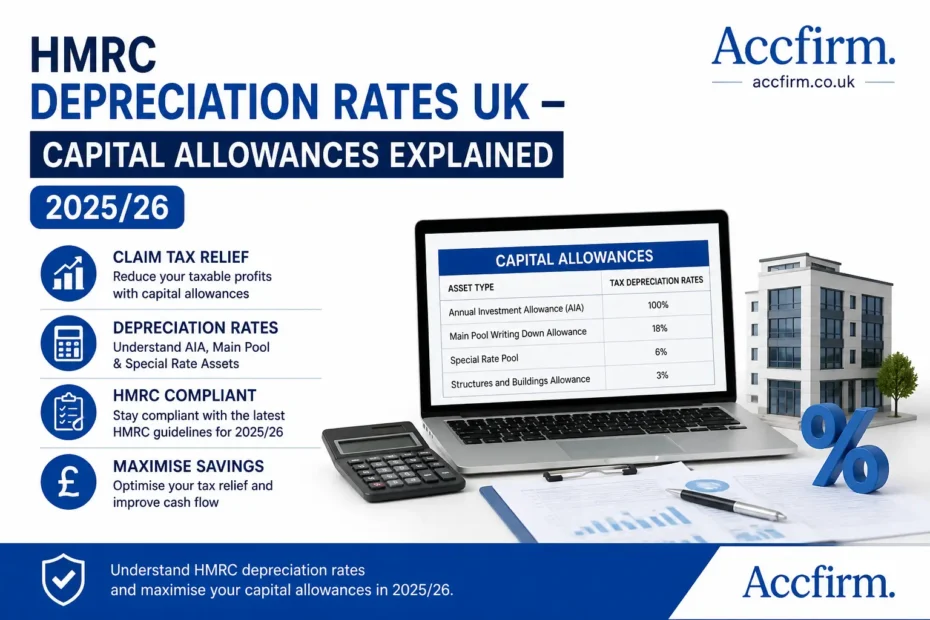
One of the most important distinctions in UK business taxation is the difference between accounting depreciation and HMRC’s tax depreciation system capital allowances. Many business owners and even some non-specialist accountants assume that the depreciation…
Flipping houses buying a property, improving it, and selling at a profit is an attractive investment strategy in the UK property market. But the tax treatment of house flipping profits is frequently misunderstood, and the…
One of the most persistent sources of confusion in UK VAT is the distinction between zero-rated and exempt supplies. Both result in no VAT being charged to the customer so on the surface, they seem…
For UK businesses trading internationally whether importing goods, exporting services, or expanding into markets like Australia, Canada, India, or New Zealand understanding the difference between GST (Goods and Services Tax) and VAT (Value Added Tax)…
If you earn interest on savings held in a bank or building society account, HMRC may require you to pay tax on that income. As UK savings rates have increased, many savers who have not…
An overdraft is one of the most commonly used financial products in the UK and one of the most misunderstood. Whether it is a personal current account overdraft helping bridge a gap before payday or…
The official reference for the UK government’s yearly Christmas Bonus is “DWP XB” if you have seen a deposit on your bank statement that you are unsure of the source of. The Department for Work…
“Paid in arrears” is a term that appears in employment contracts, utility bills, mortgage agreements, and supplier invoices across the UK yet many people are uncertain about exactly what it means and how it affects…
Trade payables also known as accounts payable or creditors are one of the most fundamental concepts in UK business accounting. For any company that purchases goods or services on credit, trade payables represent the amounts…
Road tax officially known as Vehicle Excise Duty (VED) is one of the most universally familiar motoring costs in the UK. But when it comes to VAT, business owners and fleet managers frequently ask: is…
Turnover and revenue are two of the most frequently used financial terms in UK business and they are often used interchangeably, which can cause real confusion in accounting, tax returns, VAT registration, and Companies House…
Entering the higher rate tax bracket is a milestone many UK earners aspire to reach but it comes with important implications for your take-home pay, pension planning, and overall financial strategy. The 40% higher rate…